
The role of mechanical contractors is undergoing a dramatic shift. No longer defined solely by emergency repairs or routine maintenance, today’s leading firms are becoming system integrators—bringing together building automation systems (BAS), prefabricated assemblies, and intelligent controls into cohesive, data-driven solutions.
This transformation is fueled by three powerful forces: evolving client expectations, rapid advances in building technology, and new performance mandates in public infrastructure projects. In this article, we’ll explore how the modern mechanical trade is evolving—and how A2 Mechanical Group is at the forefront of that change in Ontario.
1. From Tools to Tech: What’s Driving the Shift
For decades, mechanical contractors were defined by tools, trade skills, and on-site fixes. Today, the profession is shifting toward technology. Facility managers and general contractors now expect faster project delivery, predictive maintenance, and energy-efficient systems that can be monitored in real time.
One of the biggest drivers of this evolution is the rise of building automation systems (BAS). According to MRI Software, BAS platforms reduce operating costs by improving energy efficiency, enhancing tenant comfort, and enabling scalable system control across multiple facilities.
The market signals are clear: HVAC systems in Ontario and across Canada are becoming increasingly tech-heavy. Industry reports estimate the Canadian HVAC controller market was valued at $10.5 billion in 2024, with forecasts projecting growth to $16.8 billion by 2033. That expansion is powered by smart sensors, automated diagnostics, and power evaluation software that enable data-driven decision-making.
For the modern mechanical contractor, staying competitive means more than delivering service—it means mastering digital systems, prefabrication strategies, and integrated project delivery methods that align with today’s infrastructure demands.
2. Key Areas of Change in Modern Mechanical
The evolution of mechanical contractors isn’t limited to tools and training—it’s a shift in how projects are designed, delivered, and maintained. Three areas stand out as defining the modern contractor: building automation systems, prefabrication, and quality assurance.
a) Building Automation Systems (BAS) Integration
Historically, HVAC, plumbing, and electrical systems operated in silos. Today, building automation systems (BAS) integrate them into unified platforms that enable remote control, real-time monitoring, and data-driven decision-making.
Companies specializing in BAS—such as ModernControls and Honeywell’s system integration divisions—have scaled dramatically as demand grows. For HVAC systems in Ontario, BAS integration is now expected—not optional. Research shows that building automation systems can reduce energy consumption by 5–15% in commercial buildings, while boosting operational efficiency and sustainability.
For HVAC systems in Ontario, BAS is quickly becoming the standard. Facility managers expect visibility into equipment performance, predictive alerts, and analytics that support lifecycle planning—not just immediate repairs.
b) Prefabrication & Modular Delivery 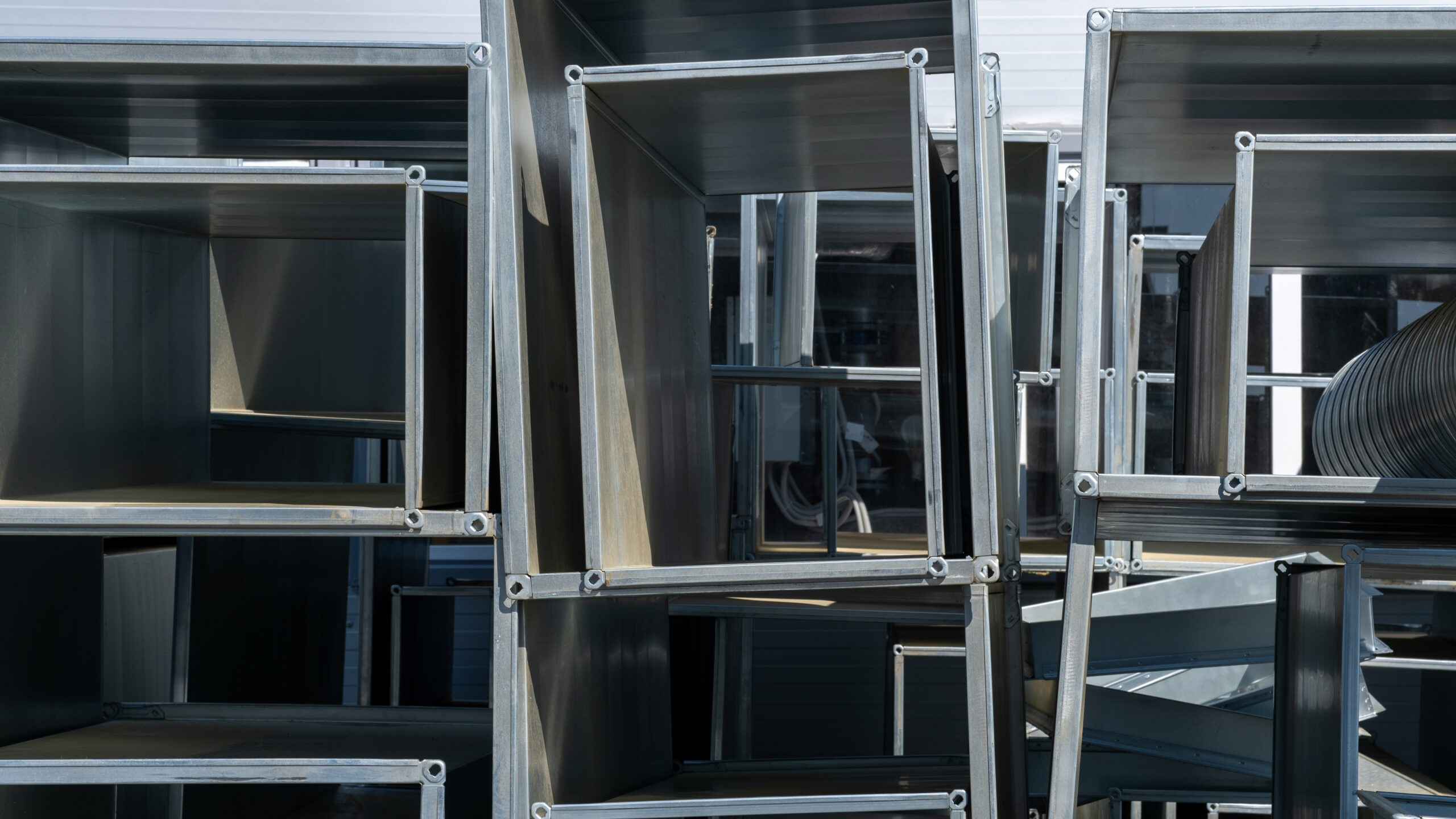
Prefabrication is transforming how mechanical systems are built. Instead of assembling ductwork, pipe segments, and skids entirely on site, contractors now build them in shop environments under controlled conditions.
This modular approach reduces onsite labour, improves predictability in project timelines, and ensures quality through controlled inspections. Ontario hospitals—including projects like Humber River—have leveraged prefabricated systems during accelerated build programs, proving that modular delivery can achieve both speed and high mechanical performance.
For modern mechanical contractors, prefab strategies represent both efficiency and resilience—enabling faster adaptation to labour shortages and project complexity.
c) Quality Assurance (QA) & Compliance
Institutional clients and provincial regulators expect robust quality assurance (QA) in every project. Pressure testing, weld certification, and clean-air validation protocols are now standard requirements.
Beyond technical QA, clients increasingly demand documentation and traceability. Hospitals, schools, and government projects want assurance that every joint, weld, and system has been validated before handover. For contractors, this means building QA roadmaps into the project from day one, not treating it as an afterthought.
The bottom line: QA and compliance are becoming as central to modern mechanical contracting as installation itself.
3. What This Means for Mechanical Contractors
The evolution of technology, prefabrication, and quality assurance is reshaping how mechanical contractors operate. Instead of being reactive service providers, firms are becoming proactive partners in infrastructure delivery. This transformation has three key implications:
Higher Upfront Investment, Lower Long-Term Costs
Integrating building automation, modular assemblies, and comprehensive QA requires capital and training. However, these investments reduce warranty calls, extend equipment lifespans, and deliver measurable energy savings for clients. Contractors who prioritize lifecycle value over lowest bid pricing are better positioned to win institutional work.
Expanding Skillsets for Technicians
Modern HVAC systems in Ontario don’t just require pipefitters and service techs—they need specialists in automation programming, system commissioning, and data analytics. The mechanical workforce is evolving into multidisciplinary teams capable of integrating hardware, software, and compliance. Firms that invest in training and certification gain a competitive edge in municipal and industrial markets.
Market Differentiation in Competitive Bids
Public infrastructure projects are often decided through highly competitive tenders. Contractors that can demonstrate capabilities in BAS integration, prefabrication, and QA stand out against firms offering only traditional service. Differentiation comes from showing clients not only what you install, but how you ensure it performs for decades.
4. A2 Mechanical Group in Action
At A2 Mechanical Group, the shift from reactive service to proactive system delivery is already underway. We’ve invested in people, facilities, and processes that reflect how modern mechanical contractors must perform in Ontario’s evolving infrastructure market.
Control-Focused Design Teams
Our project teams now approach HVAC projects with a system mindset, designing with building automation integration from day one. By triaging complex projects early, we ensure mechanical, electrical, and controls are coordinated—reducing costly change orders and delays.
Investment in Prefabrication Facilities
We’ve expanded shop space dedicated to prefabricating mechanical assemblies—from pipe racks to modular HVAC skids. Prefab construction improves quality assurance, reduces site congestion, and helps us deliver on Ontario’s accelerated infrastructure timelines.
Quality Assurance Roadmaps
Every project we deliver includes a QA roadmap tailored to its scope. From weld certifications to clean-air validation, our systems are documented and traceable. This approach ensures compliance with Ontario’s strict institutional requirements in healthcare, education, and transit.
Positioned for Ontario’s Infrastructure Boom
With nearly $190 billion in infrastructure spending planned across Ontario over the next decade, demand for forward-thinking contractors will only grow. From hospitals to schools to transit hubs, A2 Mechanical Group is prepared to deliver systems that meet performance standards for decades—not just until handover.
5. What Clients Should Expect
As mechanical contractors evolve from service providers to system integrators, clients can expect more than a quick fix. Working with A2 Mechanical Group means gaining a partner who looks at every issue through the lens of long-term performance and efficiency.
A Holistic Approach to Service
When you call about a plumbing issue or an underperforming HVAC system, our response isn’t limited to the immediate repair. We evaluate the broader system—energy efficiency, control logic, and preventative measures—to make sure the same issue doesn’t return next season.
Future-Ready Mechanical Solutions
Infrastructure owners and facility managers need contractors who anticipate problems before they happen. Our teams leverage building automation systems to provide seasonal performance insights, predictive alerts, and remote troubleshooting. This means less downtime, more uptime, and fewer surprises.
Lifecycle Transparency
Clients deserve clarity on how their systems will perform over time. With QA roadmaps, prefabrication quality checks, and control-based reporting, we provide visibility into mechanical performance beyond the warranty period—ensuring accountability for decades.
In short, clients working with A2 Mechanical Group can expect immediate service backed by long-term system reliability—a shift that reduces risk, improves efficiency, and supports Ontario’s infrastructure priorities.
From Service to Systems
The mechanical trade has undergone a quiet but profound transformation. No longer limited to reactive service calls, mechanical contractors are now system integrators—bringing together building automation, prefabrication, and rigorous QA to deliver smarter, more resilient infrastructure.
For Ontario’s hospitals, schools, and transit systems, this shift matters. It means fewer disruptions, lower lifecycle costs, and mechanical systems designed to perform long after the ribbon-cutting ceremony. Contractors who adapt will not only meet client expectations—they’ll help redefine how modern infrastructure is built and maintained.
At A2 Mechanical Group, this isn’t theory—it’s practice. We’ve already invested in automation-focused design teams, prefabrication capacity, and QA roadmaps that guarantee compliance. As Ontario commits nearly $190 billion to new infrastructure projects in the coming decade, we are positioned to deliver solutions that balance immediate needs with long-term reliability.
If you’re planning an infrastructure project in Ontario and want a contractor who looks beyond today’s service call to tomorrow’s system performance, A2 Mechanical Group is ready to partner with you.